Home / Essays / We have found the Messiah
2 March 2022
We have found the Messiah
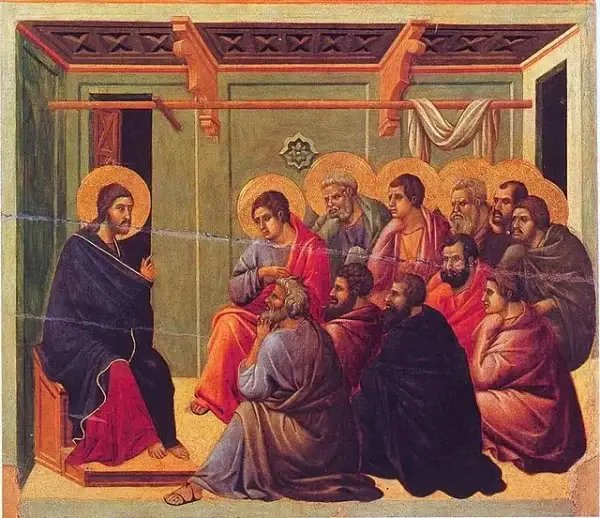
St. Andrew's declaration to St. Peter, "we have found the Messiah" (John 1:41), represents the goal believers should reach by the conclusion of Great Lent. The Messiah, however, has already discovered us through incarnation, actively seeking those who were lost. During Great Lent, the Church invites contemplation of the Messiah across scriptural narratives. Since various traditions emphasize different aspects of Christ's ministry, this series examines the four Gospels, Acts, and Revelation.
Series Contents
The Gospels — particularly Matthew, Mark, and Luke — share common elements, yet each portrays Jesus distinctly, especially regarding Old Testament imagery and relationships with disciples. Acts demonstrates how early Church leaders, particularly apostles, embodied Christ's life within their own ministries. Revelation illuminates the persecuted Church's relationship to Christ's suffering. Connections emerge between Luke-Acts and John-Revelation.
The Synoptic Gospels
Matthew, Mark, and Luke comprise the synoptic Gospels, sharing numerous similar passages. Mark likely appeared first; Matthew and Luke incorporated material from his work. Mark's account is shortest; Matthew emphasizes Jewish motifs and Old Testament prophecies; Luke begins a two-volume work continued by Acts, documenting the early Church's formation and apostolic missionary activity.
John's Portrait of Jesus
John's Gospel stands apart — the most theologically profound of the four. Unlike Matthew and Luke's infancy narratives or Mark's baptism opening, John begins with the eternal Word existing alongside the Father. Revelation, traditionally attributed to John, represents prophetic end-times literature.
Who is Jesus in these texts? Who recognizes Him? How do followers, and He, interact? That is what this series sets out to ask.