Home / Essays / The Messiah in the Gospel of Matthew
16 March 2022
The Messiah in the Gospel of Matthew
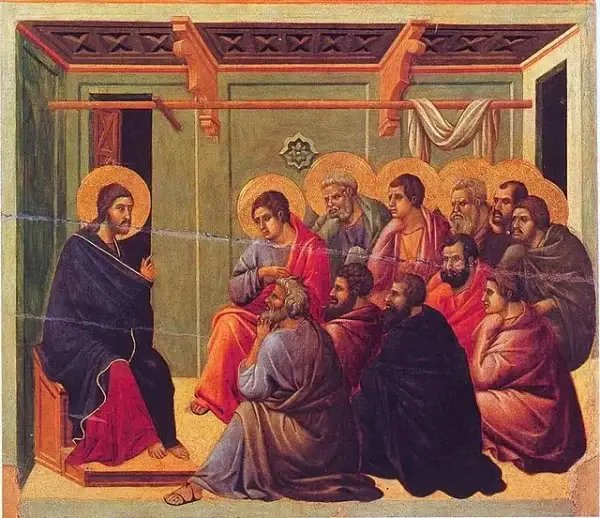
The Gospel of Matthew and the Torah
The opening of Matthew's gospel with "Book of Genealogy" echoes Genesis, establishing thematic connections to the Torah. Matthew structures his account into five narrative-discourse sections, mirroring the five books of Moses. This architectural choice underscores Jesus as Israel's new liberator who renews ancient commandments.
The Sermon on the Mount: A New Law
The Sermon on the Mount presents Jesus ascending a mountain to proclaim law, unlike Moses, who received it. Instead of prohibitions, Jesus offers nine beatitudes celebrating virtue, plus a tenth blessing those who suffer for the gospel. He employs the formula "You have heard it said… but I tell you" to deepen commandments' spiritual dimensions — extending beyond avoiding murder to transcending anger itself.
Jesus: A Jewish Messiah
Jesus grounded his reinterpretation of Jewish law in authentic tradition. He paralleled Rabbi Hillel's teaching, stating: "In everything do to others as you would have them do to you; for this is the law and the prophets" (Matthew 7:12). He identified himself with the Sabbath, inviting the weary to find spiritual rest through him.
Moses and Jesus
Though resembling Moses, Jesus surpassed him. Moses delivered Israel from Egypt but failed to reach the promised land. Jesus liberated humanity from sin and death, offering spiritual law inscribed on hearts, leading to salvation and the heavenly Jerusalem — his true promised land — through crucifixion.
The Messiah Is with Us… God Is with Us
Matthew's gospel emphasizes Jesus's presence. Called Emmanuel — "God with us" (Matthew 1:23) — at birth, he promises before ascending: "I am with you always, to the end of the ages" (Matthew 28:20). His presence transcends cultural identity, extending universally to all nations.
Prayer
Grant us, O Christ, to know Your constant presence, to appreciate truth regardless of its source, and to receive Your law inscribed upon our hearts, that we may proclaim the gospel to the world.