Home / Essays / The Messiah in the Gospel of Mark
9 March 2022
The Messiah in the Gospel of Mark
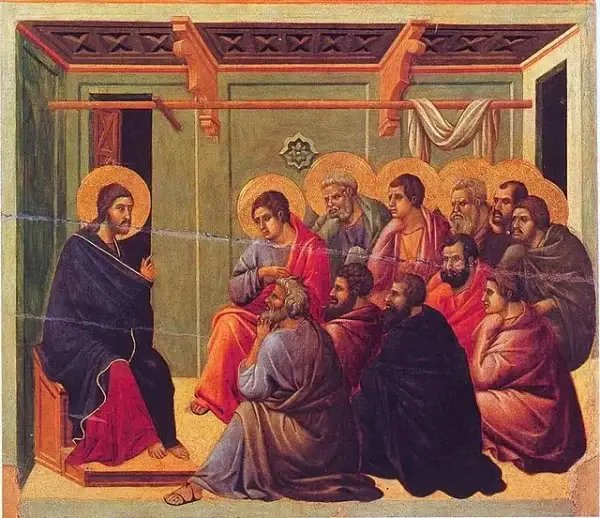
Mark's Gospel employs minimal rhetorical polish, reads conversationally with tangents and repetitive phrasing, yet deploys irony strategically to convey theological truths about Jesus's messianic identity.
The Messiah in the World of Spirits
The wilderness setting represents spiritual renewal, echoing Israel's transformative desert experience. Jesus's ministry operates within the spiritual realm — the Spirit drives Him into wilderness confrontation with Satan, while angels minister to Him. His inaugural miracle involves exorcising an unclean spirit. Notably, these demonic beings paradoxically recognize His true identity as the Holy One, even as human observers remain ignorant.
The Crucified Messiah
Throughout the narrative, Jesus's family, disciples, and followers lack understanding of His identity. Peter confesses messiahship without grasping sonship. On the cross, Jesus's cry, "Eloi, Eloi, lema sabachthani?" ("My God, my God, why have you forsaken me?"), conveys abandonment, though bystanders misinterpret it as invoking Elijah.
Significantly, no Jewish believer recognizes Him as God's Son. Only at His death does a Gentile centurion proclaim: "truly, this was the Son of God." This revelation follows the temple curtain's tearing — the barrier separating the holy sanctuary from the outside world. The Gentile's illumination through witnessing the crucified Christ parallels the veil's removal, symbolizing access to divine knowledge previously restricted.
Prayer
Lord Jesus, crucified and risen, open our eyes as You opened the eyes of the Gentile centurion, that we too may confess You as the Son of God.