Home / Essays / S2 E3 Ecumenism: Friend or Foe?
27 March 2022
S2 E3 Ecumenism: Friend or Foe?
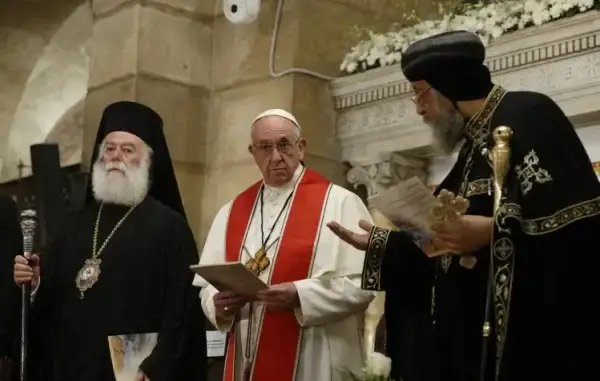
Ecumenism represents a divisive topic within Christian communities. According to standard definitions, it promotes "unity among the world's Christian Churches," yet interpretations vary dramatically based on one's theological perspective.
Two opposing viewpoints emerge when discussing this movement. Supporters reference Christ's emphasis on believer unity in the Gospel of John. Conversely, critics characterize it as a contemporary heresy potentially compromised by hidden agendas aimed at undermining Orthodox Christianity.
The World Council of Churches, established following the 1948 founding assembly, functions as the movement's primary institutional expression. The organization operates through regional councils, addressing theological convergences and divergences while coordinating charitable initiatives across denominational lines.
Historical Context
The Orthodox Church participated early in ecumenical discussions. A 1920 Constantinople encyclical proposed establishing a "fellowship of churches" resembling international governance structures. Church leaders representing over 100 denominations voted between 1937–38 to establish the WCC, though World War II postponed its formal launch.
Modern Achievements
Contemporary ecumenism has reduced sectarian violence between Christian populations. Historical Protestant-Catholic antagonisms — where some Americans viewed the Catholic Church as apocalyptic — have substantially diminished. Catholics now recognize sacramental validity in Orthodox Churches while engaging respectfully across denominational boundaries.
Addressing Conspiracy Concerns
Critical questions are worth raising regarding alleged Masonic involvement. If secret societies controlled ecumenism, tangible outcomes would likely manifest. Persistent schisms among theologically aligned traditions suggest external control remains implausible. Additionally, uniting approximately 260 million Orthodox Christians would offer minimal strategic advantage to organizations pursuing worldly power.
Distinguishing Genuine Ecumenism from Syncretism
Ecumenical efforts are positive when they promote mutual understanding. However, ecumenism becomes problematic when it demands doctrinal compromise or conceals genuine disagreements. True syncretism — merging distinct religious traditions — represents authentic heresy warranting rejection.
Ecumenical meetings operate deliberately slowly, requiring years for consensus statements. Participants retain individual beliefs rather than adopting foreign doctrines.
The Example of Saint Silouan
Saint Silouan the Athonite taught approaching theological opponents with compassionate understanding. When addressing an overzealous missionary condemning others' faith, Silouan suggested acknowledging legitimate Christian elements — belief in Christ, veneration of Mary, recognition of saints — before addressing specific doctrinal corrections.
"God is Love", and sermons must spring from love, enabling both preachers and listeners to benefit.
Silouan emphasized that censorious approaches alienate audiences, whereas acknowledging existing spiritual truths creates receptiveness to further clarification.
Conclusion
May we acquire Silouan's compassionate approach toward fellow Christians, engaging others through love and wisdom rather than suspicion or fear.