Home / Essays / Mental Health and Handling Suicide in the Coptic Orthodox Church
25 January 2021
Mental Health and Handling Suicide in the Coptic Orthodox Church
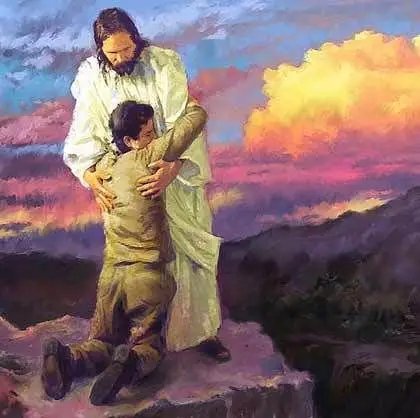
On January 4th, 2020, Toronto residents — especially Copts — woke up to the horrific news of Moses Demian taking his own life. Unlike many other suicides that take place among members of the Coptic Orthodox Church and get brushed under the rug, this one couldn't be, as it made its way to the news. I believe this is a wake-up call for the Coptic community when it comes to mental health and suicide.
Moses Demian was a 24-year-old young man who suffered from depression and anxiety and was using medication to manage both. These facts are not meant to disclose sensitive information about a young man whose life was precious to his family, friends, community, and ultimately God — they are facts that were shared on various news websites and are available to the public. I share them here because I believe they are important for waking the Coptic community at large to reflect on two difficult topics — mental health and suicide — as they relate to our faith and community.
Mental Health
70% of mental health problems have their onset during childhood or adolescence. Mental illness is a leading cause of disability in Canada.
For many years, Coptic youth and adults have gone to confession thinking it will replace therapy. Some Copts even take the liberty of thinking of confession as therapy in the clinical sense. While confession has a therapeutic effect on the soul, assuming the priest is competent, its scope only partially overlaps with psychotherapy — there are aspects of psychotherapy that cannot be found in confession, and vice versa.
The classic priestly advice of "pray about it" is beautiful and should not be taken lightly — I believe prayer to be effective. However, I believe God calls us to more than that as Christians. I also believe the words of Scripture that "the Lord has created medicines from the earth; and he that is wise will not abhor them" (Sirach 38:4). I cannot take prayer to replace therapy any more than I can take confession to do the same. But I can certainly combine all of them, seeking holistic healing. Picking and choosing is not an option here if you are being reasonable about your faith as an Orthodox Christian — all resources are to be sought and accessed as much as possible.
Suicide
About 4,000 Canadians per year die by suicide — an average of almost 11 suicides a day. More than 75% of suicides involve men, but women attempt suicide 3 to 4 times more often.
For centuries, Copts were accustomed to not holding funerals for victims of suicide. For the Church, praying the funeral was seen as an implicit condoning of an action that takes away the holy of holies of human existence — life itself. While that mentality might have made sense years ago, today it simply does not hold up. If we believe prayer helps the soul, we ought to pray. If we believe prayer is only helpful to the family of the person who has passed, then we ought to pray for them. If we are unaware of the diagnosis of the person, we still ought to pray, as they might have been struggling with mental health in silence. At that point, not only should we pray, but also repent for not having made it obvious enough that we were there to help.
Some priests have recognized these elements and provided funerals in the past, but they were held as quietly as possible, with families trying to cover up the cause behind the unexpected death of a young man or woman. This is a kind attempt on the part of the priests, but it still does not help much with the stigma created over the years by the aversion to praying funerals for victims of suicide. I pray this may change one day.
Since changing the customs of a 2,000-year-old institution is not exactly feasible — and even if it were, it likely won't happen by way of an article written by a 25-year-old — let us look for alternative ways we, as Copts, can make a difference:
1. You cannot pray a funeral at home, but there is no harm in praying in your icon corner for suicide victims by name. You might light a candle in memory of the person who has passed.
2. Don't restrict your prayers to those who have become victims of suicide — extend them to those contemplating suicide as well.
3. Remember the families of victims. Pray that God may bring them peace, comfort, and tranquility, and that God may protect them.
4. Make yourself available for people to speak to if they are contemplating self-harm. Experts agree that talking about suicidal thoughts can be a relief to a suicidal person, as it gives them the chance to talk about their problems and feel that somebody cares. If you're not sure how to start this conversation, consult additional resources on the topic.
I hope this article might help someone make sense of praying for victims of suicide. Our prayers for the departed could make a difference, with the grace of God, in a manner beyond understanding and theological formulations. My prayer is that one day the synod of the Coptic Orthodox Church will be willing to explore this issue more openly, recognizing the element of renewal within tradition. Most importantly — if you are a member of Moses' circle of family and friends and you are reading this, I want you to know you are in my prayers, for what that is worth, and that I am here if you need anything at all.